
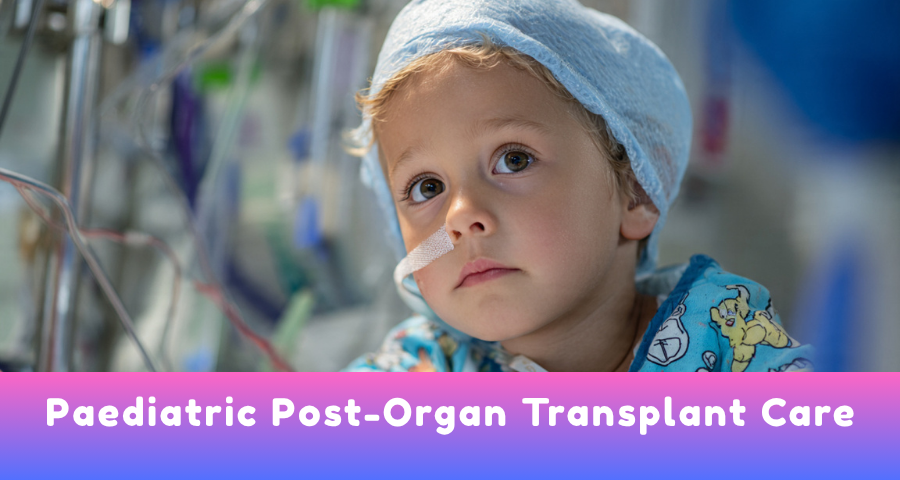
A child who has undergone an organ transplant embarks on a journey of hope, recovery, and long-term health management. Our Paediatric Post-Organ Transplant Care services provide specialized, comprehensive support to help young patients thrive after transplant surgery. We focus on medical management, emotional support, and preventive care to ensure the best outcomes for your child’s health and quality of life.
🏥 What is Post-Organ Transplant Care?
Post-Organ Transplant Care is a specialized branch of paediatric medicine that monitors and manages children after they receive an organ transplant, such as a liver, kidney, heart, or bone marrow. The care focuses on:
- Preventing organ rejection
- Monitoring for infections and complications
- Supporting growth, development, and nutrition
- Ensuring medication adherence and safety
This care is essential for preserving the function of the transplanted organ and promoting overall well-being.
🩺 Immediate Post-Transplant Care
The first few weeks after a transplant are critical. Our team provides:
- Close monitoring of vital signs and organ function
- Management of immunosuppressive medications
- Early detection of potential complications
- Nutritional support to promote healing and growth
- Education for parents on recognizing warning signs
Timely intervention and vigilance during this period can significantly reduce risks and improve long-term outcomes.
🦠 Infection Prevention & Immune Support
Children on immunosuppressive medications are more susceptible to infections. Our services include:
- Regular monitoring for bacterial, viral, and fungal infections
- Vaccination guidance and preventive strategies
- Safe lifestyle practices to reduce exposure to infections
- Prompt evaluation and treatment for any symptoms
Protecting your child from infections is a key component of maintaining transplant health.
💊 Medication Management & Monitoring
Immunosuppressive medications are essential to prevent organ rejection, but they require careful management. We provide:
- Personalized medication schedules
- Monitoring for side effects and drug interactions
- Blood tests to track medication levels and organ function
- Education for families on adherence and safe administration
Proper medication management ensures the long-term success of the transplant.
🌱 Growth, Development & Lifestyle Support
Transplant recovery isn’t just about the organ—it’s about your child’s overall growth and development. Our team helps:
- Track physical growth and development milestones
- Offer nutritional counseling for optimal health
- Support participation in school, sports, and social activities
- Address emotional and psychological well-being
We aim to help your child enjoy a healthy, active, and fulfilling life after transplant.
👩⚕️ Multidisciplinary & Family-Centered Approach
Paediatric post-transplant care involves a collaborative team of specialists, including:
- Paediatric transplant physicians and surgeons
- Nurses experienced in transplant care
- Nutritionists and dietitians
- Psychologists and social workers
- Rehabilitation specialists
We involve families at every step, providing guidance, education, and emotional support to empower them in managing their child’s care.
⚠️ When to Seek Immediate Attention
Parents should seek urgent medical care if their child exhibits:
- Fever, chills, or other signs of infection
- Unusual fatigue, swelling, or weight changes
- Pain or tenderness over the transplanted organ
- Changes in urine output or bowel habits
- Skin rashes, unusual bruising, or bleeding
- Any sudden changes in behavior or appetite
Prompt evaluation can prevent complications and protect your child’s transplanted organ.
🌟 Why Choose Our Paediatric Post-Organ Transplant Care?
- Specialized Expertise: Focused care by trained transplant physicians and nurses
- Comprehensive Monitoring: Continuous evaluation of organ function and overall health
- Infection Prevention: Proactive strategies to minimize risk
- Family Support: Education, counseling, and guidance for parents
- Holistic Care: Physical, emotional, and social well-being of your child